What menus should you prepare for 13-month-old babies?
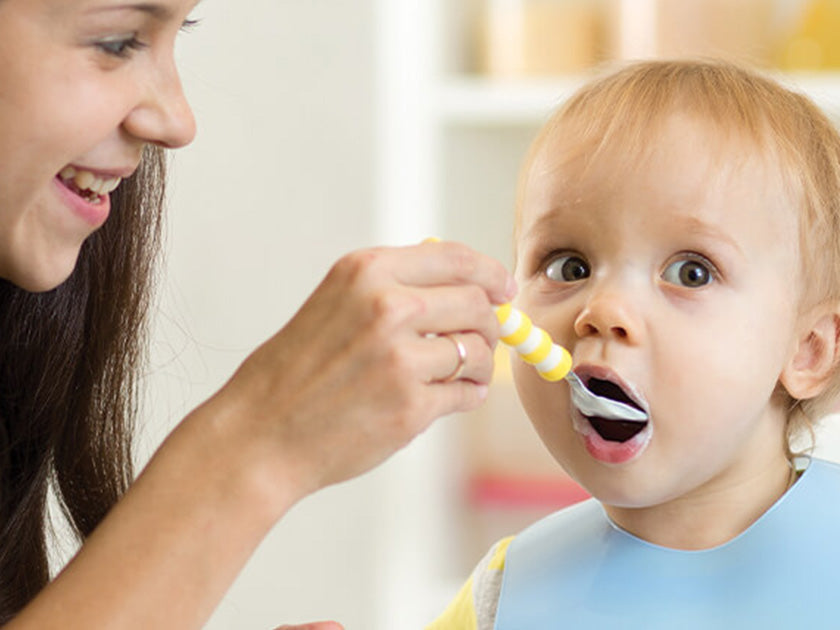
Around their first birthday, babies go through a lot of changes. Each at their own pace, they start scribbling, babbling, and walking. In other words, your baby is growing up, and you'll need to adjust their diet!
Dietary needs change after 12 months!
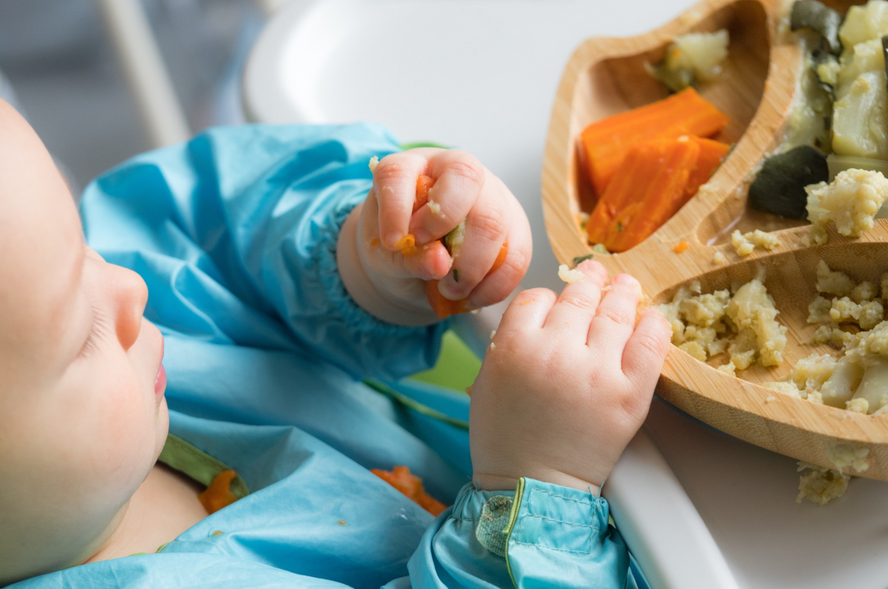
Even if they're not quite ready to eat like grown-ups, toddlers around 12 months old will see their meals evolve. Say goodbye to smooth purees, and hello to small, soft, melt-in-your-mouth pieces. Armed with a spoon, your child is even ready to eat independently and further diversify their diet! We'll save raw foods (including raw milk cheese, even though we love Camembert and can't wait for our child to try it), fried foods, and deli meats for later. It's also important to pay close attention to the shape of food: if it's too small, perfectly round, or a little too sticky, your baby may have some difficulty swallowing it properly. Even if your baby is quite tall, you should always stay by their side while they eat their meal, comfortably seated in their high chair!
So you finally have the opportunity to introduce him to a whole host of new tastes and familiarize him with lots of different recipes. Remember that between the ages of 1 and 2, children are particularly open to discovering new foods, so it's the perfect time to try new things (because in principle, it shouldn't be too much of a hassle!): so go for it!
Composition of meals for babies from 12 months
From 12 months onwards, young children's nutritional needs change: they need 1000 to 1100 calories per day to be in top form. Ideally, these calories should be distributed as follows: 25% at breakfast, 35% at lunch, 15% at afternoon tea, and 25% at dinner. In practical terms, regarding menu and quantities, between 12 and 24 months, it looks something like this:
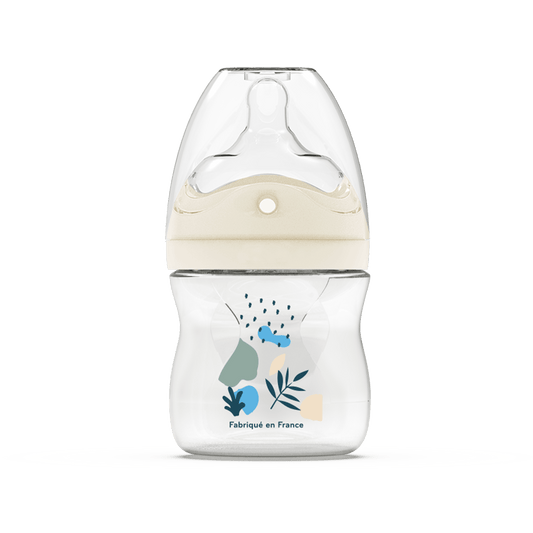
- First thing in the morning: a breastfeed or a bottle of stage 3 milk (between 250 and 300 ml) (1) with 2 tablespoons of cereals adapted to the child's age + 1 biscuit or a small slice of bread.
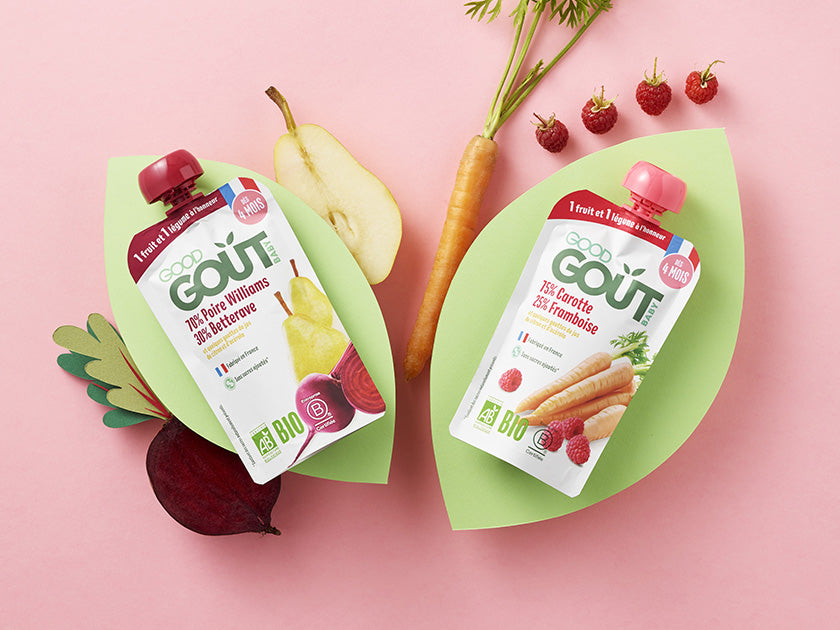
- At midday: a purée of organic vegetables with 2 teaspoons of uncooked vegetable oil (rapeseed, walnut, or olive) + 20 grams of well-cooked meat (red, white, or even offal, which can be given to babies from 12 months old) OR 20 grams of unbreaded fish (ideally, alternate between lean and oily fish throughout the week) OR 20 grams of cooked seafood (yes, your little ones deserve it!) OR half a hard-boiled or soft-boiled egg. Lunch can be finished with 20 grams of hard cheese (Emmental, Abondance, Beaufort… depending on preferences and regional specialties!) and a piece of mashed, chopped, or stewed organic fruit (without added sugar, of course: your baby doesn't need it!).
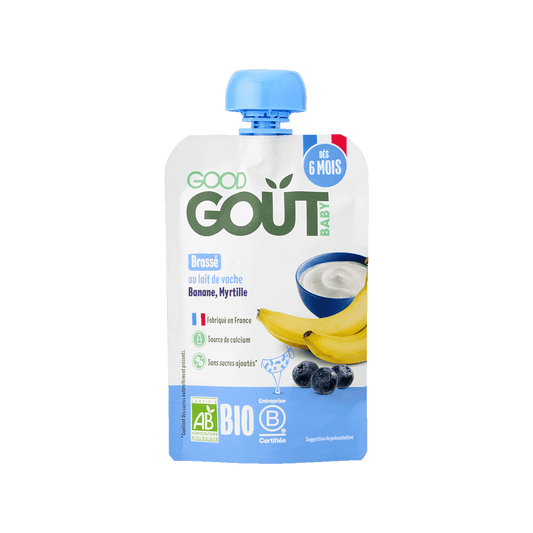
- For the afternoon snack: a breastfeed or a bottle of stage 3 milk (between 250 and 300 ml) (1) and/or a yogurt or a stirred yogurt + 1 biscuit + raw or cooked fruit .
- In the evening: a breastfeed or a bottle of stage 3 milk (between 250 and 300 ml) (1) + cereals with possibly a fruit-based dessert or a real complete and balanced meal ( vegetables + dessert) if your child has already said goodbye to the bottle.
In summary: between 12 and 24 months, your baby needs the following every day:
- 500 to 800ml of breast milk or growing-up milk (dairy products such as stirred yogurt and cheese are a plus)
- Organic vegetables , according to your child's appetite (no added salt)
- Organic fruit , according to your child's appetite (no added sugar)
- 20 grams of meat, fish or egg
- 3 to 4 tablespoons of starchy foods per day
- 2 teaspoons of uncooked fat with the vegetables
As for drinks, we'll stick to water (preferably low in minerals).
(1) Pssst... Important notice: breast milk is the ideal and natural food for infants.
Sources: mpedia.fr and ameli.fr