Which vegetable should baby eat first?
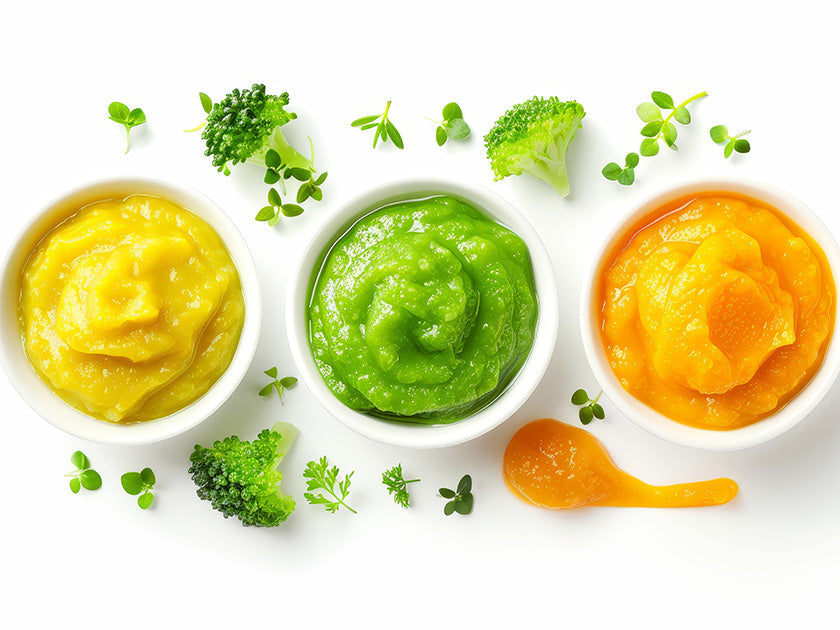
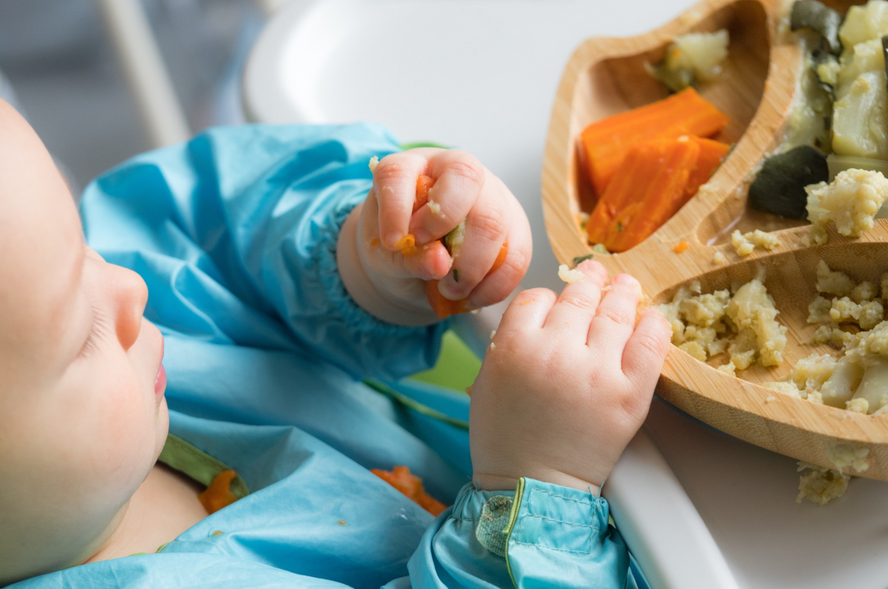
Ahhhh, baby's first vegetable purees! As parents, it's the kind of moment we eagerly anticipate but also dread a little: Is it the right time? Which vegetable should I offer first? Is the texture right? Is my baby puree smooth enough? In short, we quickly tend to let doubts creep in, when often all it takes is the right advice at the right time!
When to start introducing vegetables to baby?
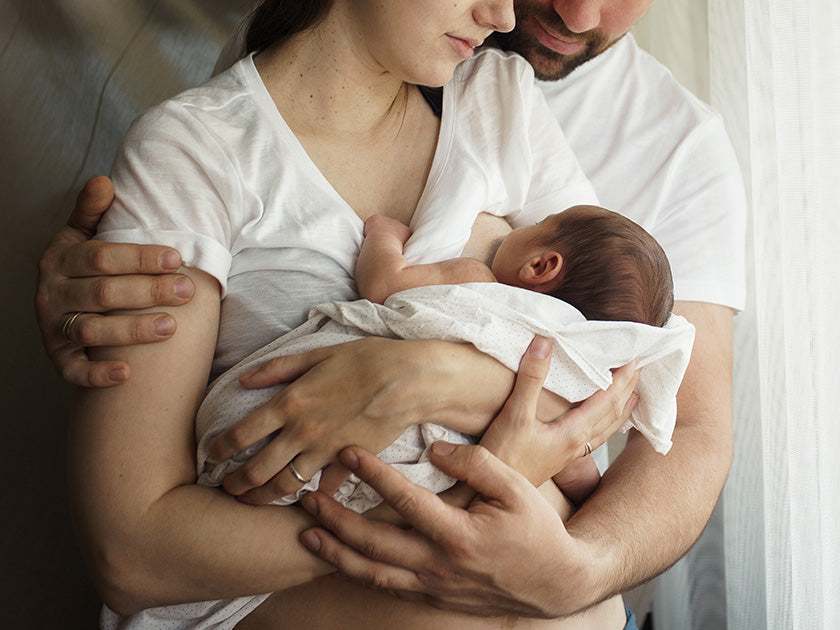
There's no need to put the cart before the horse, especially when it comes to introducing solid foods. You'll need to wait until your baby is four months old to start (this doesn't mean you should stop breastfeeding or formula *, but simply that you can introduce them to their first vegetables!). We recommend consulting your pediatrician, who can guide you through the discovery of all these new foods!
only one vegetable in the spotlight
To discover the true taste of vegetables, nothing beats a purée made with… just one vegetable! So, we'll offer vegetables one at a time, without mixing them, to start this great adventure of taste on the right foot! Chef's tip: vegetables should be cooked without salt and preferably steamed. In general, resist the temptation to add a pinch of salt to the dishes you offer your baby: they don't need it! As for texture: keep in mind that purées should be perfectly smooth!
Zero routine
Babies are just like us, they hate routine: so we advise you to vary their tastes and experiences and change vegetables regularly! When first introducing a vegetable, it's often recommended to stick with it for a few days to ensure there's no allergic reaction. Once a vegetable has been tried, you can change it every day for more variety!
Which vegetable is best to start introducing solid foods?
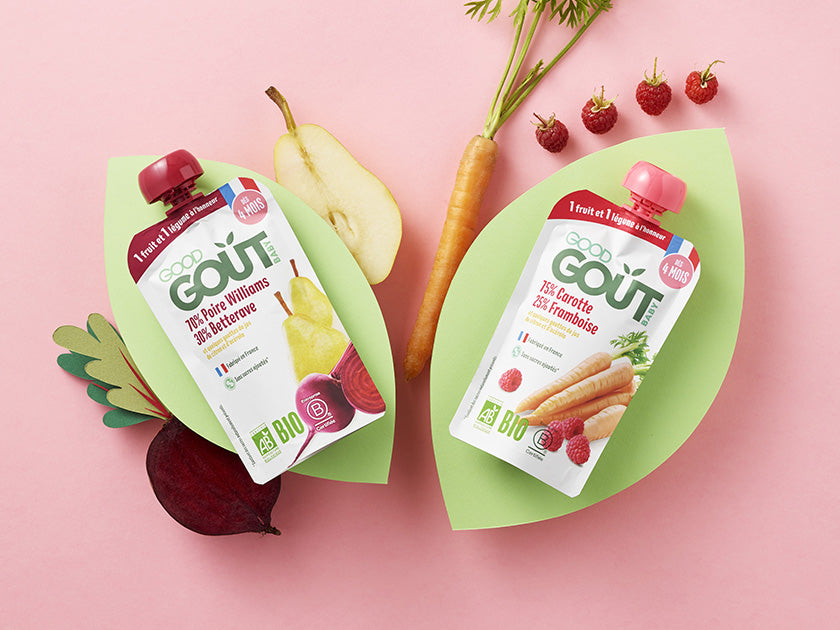
To give yourself the best chance, we advise you to start with organic vegetables, full of sweetness and easy to digest: we think of carrots to gently awaken baby's taste buds, then sweet potatoes or peas .
Quality… and quantity! How many vegetables at what age?
One of the biggest worries for parents is whether their baby is eating enough. Here's a quick reminder of the recommended daily amounts when starting weaning (in other words, during the first two weeks) – and if you have any doubts, don't hesitate to contact your pediatrician!
- 500 to 800 ml of breast milk or infant formula*
- 1 to 2 teaspoons of gluten-free cereal (at the beginning) - optional
- 60 to 150 grams of vegetables (start with 1 or 2 tablespoons and gradually increase)
- 1 teaspoon of uncooked fat (rapeseed oil, olive oil… or butter, which you can mix into your baby's purees after they are 6 months old!)
- A little low-mineral water, suitable for infant feeding
"No" doesn't always mean no!?
We're not going to sugarcoat it, your baby might absolutely refuse certain vegetables. Don't panic, it's normal! Give it a few days, introduce them to other vegetables, then try again with the same purée (apparently you have to try 8 to 10 times before giving up completely… you're allowed several tries!). And for parenting tips on how to deal with refusals, check out our article on vegetables !
And then what?
After two weeks dedicated to discovering vegetables, you can move on to fruits (then to meat, fish and eggs… but that’s another story!)
At Good Goût, we encourage breastfeeding for at least the first six months of your little ones' lives… And that's also what the WHO recommends! Indeed, breast milk is the ideal food to meet the specific needs of babies. Furthermore, the WHO code strictly prohibits infant food manufacturers from advertising their products for infants aged 0-6 months. For any questions, advice, or personalized recommendations, consult your pediatrician!