Palm Oil: What's the Problem?
"Palm oil free" has become a quality label for the food products we buy. But what does it actually mean? What are the criticisms of this oil, and what consumer habits should we adopt in stores? Good Goût has compiled the information to help you understand it better...
What is palm oil and what is it used for?
It's the most consumed fat in the world! (Needless to say, none of Good Goût products contain it, neither our ready-made meals nor our infant formula ?)
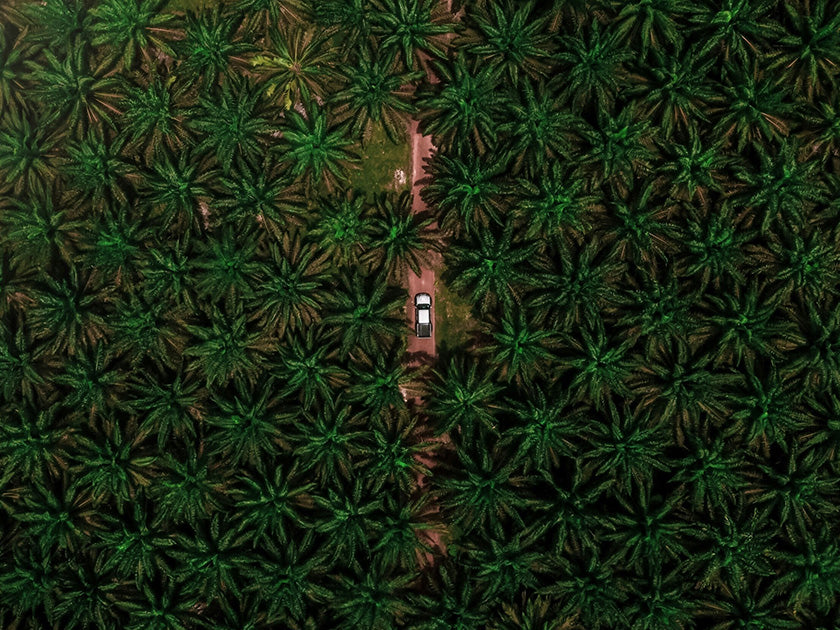
Derived from the fruit of the oil palm, a tree native to tropical Africa, palm oil is now cultivated in Indonesia and Malaysia, the world's leading producers, but also in South America (Bolivia and Ecuador) and in Africa (Ivory Coast, Cameroon, Congo).
Palm oil is extracted from the pulp of the fruit. It is widely used in cosmetics for its texturizing properties, as well as in many processed food products (breakfast cereals, chips, margarine, cookies, ice cream, etc.). Indeed, its advantages are numerous: it gives the product a soft texture, ensures good preservation, resists high temperatures, and is inexpensive .
A look at palm oil from a health perspective
What the "anti" palm oil activists say:
- Palm oil is the richest in saturated fatty acids . In excess, these lipids can eventually harden cell walls and clog arteries. A correlation has been observed between the level of saturated fatty acids in the diet, high cholesterol levels, and the numerous cardiovascular disorders affecting Western populations.
- Furthermore, it is often hydrogenated , which makes it more harmful to health. This oil treatment creates "trans fatty acids," which are known carcinogens in excess.
What the "pro" palm oil advocates say:
- Palm oil is less rich in saturated fatty acids than... butter!
- Unrefined and unprocessed palm oil contains valuable vitamins . For example, it's incredibly rich in vitamin A: 15 times more than carrots! It's also very high in vitamin E (it's the second most concentrated oil in this antioxidant, after wheat germ oil!). But of course, these vitamin levels drop significantly after refining, heating, and cooking (which is why most processed foods, like cakes, are cooked!).
An update on palm oil, from an "environmental" perspective.
What the "anti" palm oil activists say:
This oil has generated a lot of controversy. And for good reason: it's at the heart of an environmental and social scandal in Indonesia , Malaysia, and South America. The intensive monoculture of these palm trees leads to irreversible deforestation (trees are burned to make way for palm plantations). This is compounded by the loss of plant biodiversity, the deaths of thousands of displaced Bornean orangutans, and the expropriation of local communities.
What the "pro" palm oil advocates say:
Palm oil can be destructive... or not! It all depends on its origin and growing conditions. For example, in Magdalena, Colombia, there are certified organic palm plantations that guarantee no deforestation while contributing to the well-being of the local population. The palm oil produced there is RSPO (Profitable, Sustainable Palm Oil) certified: a production method that takes into account environmental, economic, and social criteria .
So what do we, as consumers, do?!
- We start by limiting our consumption of this oil , favouring homemade meals or baby food that only uses olive, rapeseed or sunflower oil (excellent lipids for health!).
- If we need to buy spread or biscuits, and they contain palm oil, then we prefer them in the organic version and with the annotation (see list of ingredients): "non-hydrogenated" .
The best option, if you can find the information: favour products that use oil from sustainably managed palm groves.
Note: There is no legal requirement to display the term "palm oil" on labels. Learn to spot it: it is often hidden behind "vegetable oil".