How do you know if your baby isn't eating enough?
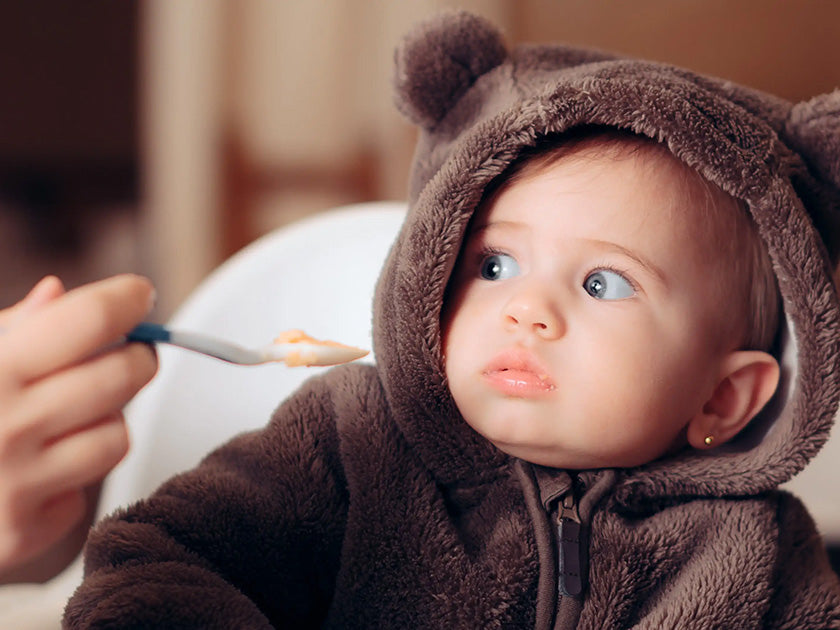
Is your baby eating less or refusing to eat? Don't panic! We'll explain why and share our tips.
My baby refuses to eat: what should I do?
Milk, homemade purée, or store-bought baby food—your baby won't touch it and refuses to eat ! This situation is unsettling for new parents who don't understand why their baby, who used to eat so well, is now rejecting everything offered. Rest assured, most children go through this phase, and things usually return to normal eventually. At Biostime, we help you understand why your baby is eating less or refusing to eat and offer some helpful tips.
Why is your baby eating less or refusing to eat?
First and foremost, remember that most children are reluctant to eat at some point. If your baby refuses to drink milk or try a new food during weaning , don't panic! There are several reasons why your baby might refuse to eat:
- Weaning from breastfeeding or switching to mixed feeding occurs when the mother has decided to wean or switch to mixed feeding . The transition from breast to formula may be poorly received by your baby and lead tobottle refusal .<sup> 1 </sup>
Important notice: Breast milk is the ideal and natural food for every infant. - The start of weaning : if you have just started weaning, your baby may initially refuse to eat foods they don't know. It's all very new to them .
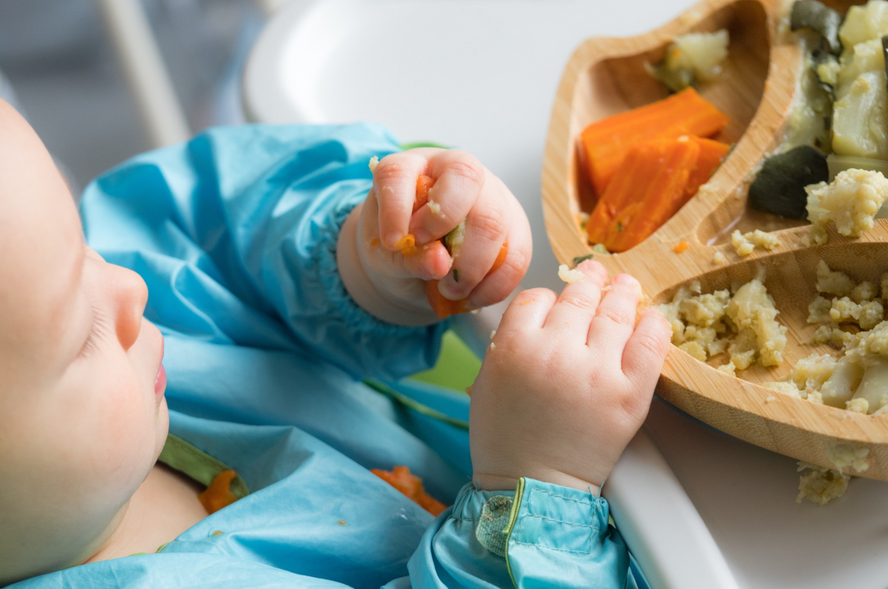
- Introducing pieces : the transition from pureed food to food in small pieces can be unsettling for your toddler. This new texture can sometimes be disconcerting 3 ;
- He is less hungry at the moment : a baby will never let himself starve, he is just listening to his sensations and eats when he feels the need 3,4 ;
- There is a change in his environment : if your baby starts nursery, for example, this period of change may lead to a decrease in appetite. This is a natural reaction to a significant change.
- Your baby is teething or is sick : in the case of teething or a passing cold, it is not uncommon for babies' appetites to decrease for a few days 5 ;
- He is prone to food neophobia : this somewhat technical term means, for example, that he refuses to taste certain foods out of mistrust or fear of the unknown. This phase generally appears around age 2 and disappears spontaneously around age 6 or 7.
- As long as your baby's weight and growth are progressing normally, there's no need to worry about their lack of appetite. And if you have any doubts, ask your pediatrician for advice.
Important notice: Breast milk is the ideal and natural food for every infant; it is best suited to their specific needs. If using infant formula when the mother cannot or does not wish to breastfeed, it is important to strictly follow the preparation and usage instructions and to consult a healthcare professional.
What should I do if my baby eats less or refuses to eat?
The first thing to remember is that you should never force a child to eat . The more you insist, the less they will eat, and this could even create a food aversion. If your baby refuses a food, offer it again a few days later, perhaps in a different form that they might enjoy more .
Other strategies can be implemented:
- Create a calm atmosphere at the table : turn off the television, put away any toys, and teach them to focus on what's on their plate. Try to make mealtimes a pleasant and enjoyable experience, and don't dwell on their lack of appetite. In other words, take the pressure off and learn to let go !
- Pay attention to the presentation of your plate to make the meal more fun 7 ;
- Give your baby some structure , even if he is still young, by setting up a ritual: for example playtime, bath and then meal 3 ;
- Give him time to transition : if he's starting solid foods or introducing finger foods, your baby may need time to decide to diversify his diet. Be patient . And if the refusal persists, you should obviously consult a healthcare professional who can help you find the cause and solutions.
Share your stories!
Is your baby refusing the food you offer? How did you react? What are your tips for getting them to eat? Tell us your story and share your experience at contact@biostime.fr or by private message on Instagram @biostimefr . It's the best way to help parents who are in the same situation as you!
Sources:
- Mpedia [Online] Difficulties and practical solutions for weaning your baby [Accessed 04/08/2023] Available: https://www.mpedia.fr/art-difficultes-sevrage/
- Mpedia. [Online] He doesn't eat foods he doesn't know, or he selects foods: neophobia [Accessed 04/08/2023] Available: https://www.mpedia.fr/art-neophobie/
- Junier, H [Online] He eats so little… Early childhood professionals; La maison des maternelles [Published: October 31, 2017. Accessed: August 4, 2023] Available: https://lesprosdelapetiteenfance.fr/bebes-enfants/psycho-pedagogie/fiches-pratiques/il-mange-si-peu
- Nutrition Passport [Online] How to recognize hunger and satiety signals in children? [Accessed 04/08/2023] Available: https://passeportnutrition.org/maternite/introduction-des-premiers-aliments-du-bebe/reconnaitre-signaux-de-faim-de-satiete-chez-lenfant/
- Naitre et grandir [Online] Teething [Accessed 04/08/2023] Available: https://naitreetgrandir.com/fr/sante/naitre-grandir-sante-bebe-dent-poussee-dentaire/
- Mpedia. [Online] He doesn't eat foods he doesn't know, or he selects foods: neophobia [Accessed 04/08/2023] Available: https://www.mpedia.fr/art-neophobie/
- La Maison des Maternelles. [Online] My child doesn't want to eat anything! [Accessed 04/08/2023] Available: https://www.lamaisondesmaternelles.fr/article/mon-enfant-ne-veut-rien-manger