Breast milk is the ideal food for your baby because it's packed with benefits, some of which are quite unexpected. Nutritional value, immune system strengthening, cognitive development, emotional well-being: there's no doubt about it, nature knows best!
IMPORTANT NOTICE: Breast milk is the ideal and natural food for every infant; it is best suited to their specific needs. If using infant formula when the mother cannot or does not wish to breastfeed, it is essential to strictly follow the preparation and usage instructions and consult a healthcare professional.
The benefits of breast milk for infants
Let's start with some very good news: apart from a few rare contraindications, all women can breastfeed . And that's great, because breast milk has everything your baby needs to get a good start in life .
Optimal nutritional intake
We often imagine that our breast milk is always the same... While it does vary depending on what you eat, it also changes throughout the day, depending on the feeding times and over time! This is why breast milk is often considered an optimal source of nutrition : in fact, it has the ability to adapt almost in real time to the needs of infants.<sup> 1 </sup> It's also optimal because it can single-handedly meet all the needs of babies up to 6 months : minerals, trace elements, carbohydrates, fats, proteins, and vitamins... your milk has everything they need! And what's more, it promotes good digestion. However, there are some foods to avoid for optimal breastfeeding and your baby's comfort.
Strengthening the immune system
It's not a myth: breast milk contains antibodies that play a key role in strengthening your child's immune system. Beneficial for immunity, breast milk also offers protection against asthma, type 2 diabetes, and allergies. It even reduces the risk of obesity during childhood and adolescence .
An aid to cognitive development
According to a study by Inserm (the French National Institute of Health and Medical Research), the role of breast milk in a child's cognitive development, and particularly in language development, should not be underestimated. Researchers believe this is due to the essential fatty acids (Omega-3 and Omega-6) contained in breast milk, which are crucial for brain development.
Strengthening a strong bond between the child and his mother
And then, there's also a touch of magic in breastfeeding! When a baby nurses, under the adoring gaze of its mother, something truly special happens. This unique moment between a mother and her child, this unprecedented physical contact, is more than just a bond being formed; it's a connection that is born and grows. As if with each feeding, the mother learns to know her baby better, and vice versa.
The benefits of breastfeeding for the mother
While all eyes are on the baby after birth, the power of breast milk on the mother should not be underestimated.
Postpartum recovery
Although breastfeeding can be tiring, it also helps with recovery after pregnancy. How can this paradox be explained? Quite simply, because our bodies are well-designed! Thanks to the uterine contractions caused by breastfeeding, the body gently returns to its normal size.
Reduction of the risk of certain diseases
We don't always think about the long-term benefits of breastfeeding… yet they exist for both baby and mother. Women who breastfeed see a decrease in their risk of breast and ovarian cancer before menopause .<sup> 4</sup> The same is true for osteoporosis, cardiovascular disease, diabetes, and even endometriosis.
emotional well-being
When all goes well, breastfeeding also brings a shared sense of well-being . Mom is on cloud nine and baby is beaming. After feeding, there's often a feeling of complete contentment in the air! So, take advantage of these timeless moments to recharge with serenity and positive energy .
Common difficulties associated with breastfeeding and how to overcome them:
Pain and congestion
In theory, breastfeeding is painless… but let's be honest, sometimes it can hurt. In most cases, this simply comes from the baby being positioned incorrectly. To avoid this kind of discomfort, always make sure your baby can open their mouth wide and that their chin is naturally pressed against your breast. They should be facing you, with their tummy against yours and well supported. To check if your baby is positioned correctly, observe their ear, shoulder, and hip: they should be perfectly aligned.
Finally, her head should be slightly tilted back to swallow properly. If you are experiencing engorgement and breastfeeding is not enough to relieve the pain, don't hesitate to use a breast pump: the aim is to encourage milk flow to provide temporary relief. You can also express your milk manually, use compresses, or cabbage leaves. Despite these tips, if the pain persists, please consult a midwife or lactation consultant.
Baby sucking problems
As is often the case, the most important thing is to trust yourself and trust your baby, for whom the sucking reflex is innate. In fact, in the first two hours after birth, they will have only one thing on their mind: to suckle!
Sore breasts and cracks
We'll say it again: breastfeeding isn't meant to cause you pain. If, despite all your precautions, cracks, fissures, or cuts appear on a nipple, try breastfeeding your child in a different position, wash your hands thoroughly before each feeding, and apply a little of your milk to the sore nipple to promote healing.
Breast inflammation (mastitis)
Whether or not an infection is present, mastitis is a breast inflammation that should not be taken lightly. Although it remains rare, it is important to know the symptoms to better treat it. If you have a high fever with chills, body aches, pain in one breast, and redness, then check your baby's latch and sucking technique.
Rest as much as possible and continue breastfeeding on the affected breast if you can, using cold compresses on the painful area for relief. If you see no improvement after 24 hours, consult your doctor.
Insufficient milk production
Sometimes, a mother may experience insufficient milk production. This is often the result of ineffective or infrequent breastfeeding. In fact, the more effectively your baby nurses, the more milk your body will produce. Conversely, the less you are stimulated, the more your milk supply will tend to slow down. If you notice you are producing less milk, put your baby to the breast more often. The more effectively your baby nurses, the more milk you will produce. This is why it is essential to keep your baby close to you and respond to all their feeding requests.
Fatigue and stress of the mother
It's true, breastfeeding is demanding, and you'll certainly have some low points from time to time. To prevent fatigue from taking over, rest whenever possible. It sounds silly, but... you'll appreciate all these moments of respite that will gradually allow you to regain your energy. To give yourself a break, you can also express and store your milk: this will allow your partner or the person of your choice to give the bottle (and be a huge help!).
Recommendations and practical advice:
Breastfeeding positions and techniques
To ensure breastfeeding goes smoothly, keep in mind that your position and your baby's are key . Always make sure you're comfortably positioned, perhaps using a nursing pillow . It helps you stay in place! Your baby also needs to be comfortable while being held by you to easily reach your breast. Whether in a cradle hold, the "reverse cradle" position, or in an inclined position (like a baby bouncer), lying down, or the "rugby ball" hold, the ideal position is the one that makes you both comfortable . Finally, create a calm and relaxed atmosphere to ensure a peaceful breastfeeding experience for your baby.
Breastfeeding accessories
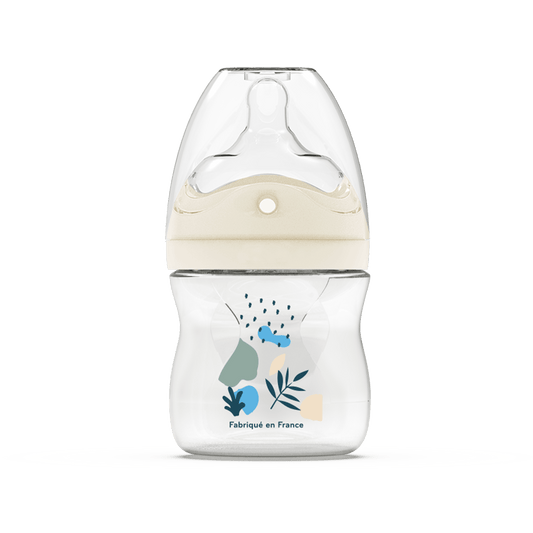
Nursing pillows, nursing pads, breast shells, silicone nipple shields, nursing clothes, breast pumps, bottles : don't hesitate to equip yourself according to your needs and desires. There are all sorts of baby care accessories that can help make breastfeeding easier and more enjoyable!
Resources and support
When you're breastfeeding, it's great to be surrounded by support! By your loved ones, of course, but not only them! There's bound to be a breastfeeding support association or a group of mothers near you who are ready to offer guidance.
Find out more in
- your maternity
- the PMI center near you
- https://www.ameli.fr/haute-savoie/assure/sante/themes/alimentation-0-3-ans/premiers-mois-lait-uniquement
- https://www.inserm.fr/actualite/allaitement-bon-pour-cerveau/#:~:text=Les%20r%C3%A9sultats%20montrent%20que%2C%20en,l%C3%A2ge%20de%20trois%20ans.
- https://www.1000-premiers-jours.fr/fr/les-bienfaits-de-lallaitement
- https://sante-pratique-paris.fr/sante-publique-dossier/lallaitement-maternel/
- https://www.1000-premiers-jours.fr/fr/les-bienfaits-de-lallaitement
- The Breastfeeding Guide, Public Health France
- The Breastfeeding Guide, Public Health France
- The Breastfeeding Guide, Public Health France