Important Notice: Breast milk is the ideal and natural food for every infant. According to WHO recommendations, the best food for babies between 0 and 6 months remains their mother's milk. Biostime follows the principles of the WHO Code and therefore does not advertise products intended for children under 6 months. Your doctor or pharmacist is the only qualified professional to advise you on these products.
Milk is your baby's sole source of nutrition from the very first minutes of life. It provides the nutrients and hydration necessary for their development before you start introducing solid foods. But sometimes, your baby refuses to drink from their bottle. At Biostime , we offer some advice to help you understand the reasons for this refusal and feel more confident when dealing with this situation.
Baby doesn't want milk anymore: the struggle of breastfeeding
Is your baby refusing milk? Does he turn his head away when you offer him the bottle, and if you insist, he squirms, or worse, he screams? Why is he refusing his bottle? Mealtimes should be enjoyable, and you hadn't anticipated this refusal. Seeing your child refuse food is unsettling, but don't panic, we understand. How should you react to this refusal to eat? Don't worry. This situation is stressful, but there are solutions. Stay calm; we'll give you the tools to analyze the situation. And if breastfeeding becomes impossible, there's a problem: don't force your baby to drink at all costs.
The whys and the solutions
Your baby is premature, adapt to their specific needs
For an infant, breastfeeding can sometimes be difficult. The sucking motion requires strength, and premature babies sometimes lack it.
- Stimulate your newborn by stroking under their chin while they are drinking.
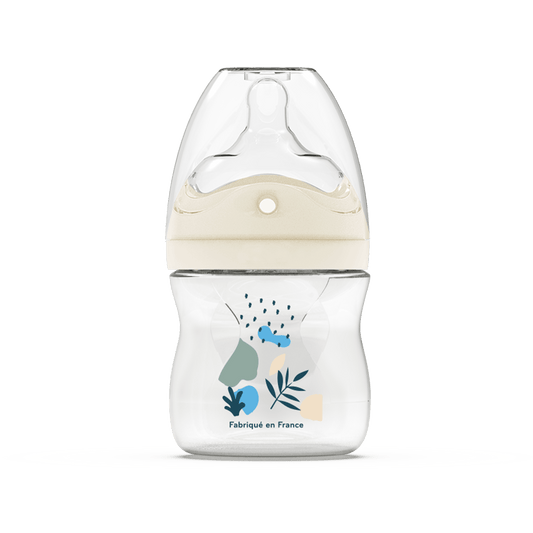
- Adjust the teat size. Bottles for premature babies have a slower flow rate.
Your baby is suffering from reflux: our tips to ease the pain
An infant who refuses to feed may have developed gastroesophageal reflux. How is it identified? We assure you it's simpler than it seems! This condition manifests itself differently in each baby:
- It can be visible: he spits out the milk he suckles, that's the most classic sign!
- It can be invisible: food rises and falls in the esophagus. The passage of milk creates painful burning sensations that make bottle feeding impossible.
Did you know? – The signs that don't lie!
If your baby is restless, cries a lot, has difficulty sleeping and refuses the bottle, he or she may be suffering from reflux.
In consultation with your pediatrician, adjust the milk. They will advise you on thickening it or changing the formula. If your baby is 4 months old, start introducing solid foods. By limiting milk intake, reflux will lessen and pain will decrease before disappearing.
Your baby is teething or their gums are growing
Teething is synonymous with pain and discomfort for your baby. Very early on, the gums split to allow the eruption of baby teeth, and baby sometimes refuses to feed. Why can a bottle be a great ally during this stage? It can be used as a pain reliever. Our tip: massage your baby's gums after placing the bottle in the refrigerator. The cold will soothe them while they drink their milk. You can also apply a herbal gel to the sore area before giving the bottle. Don't forget to ask your pediatrician for advice.
Your baby wants to start eating solid food
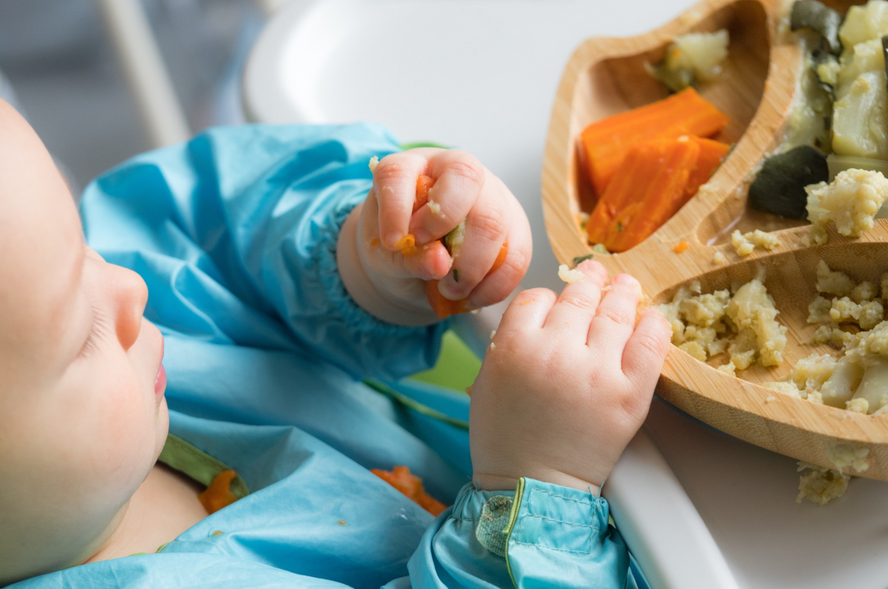
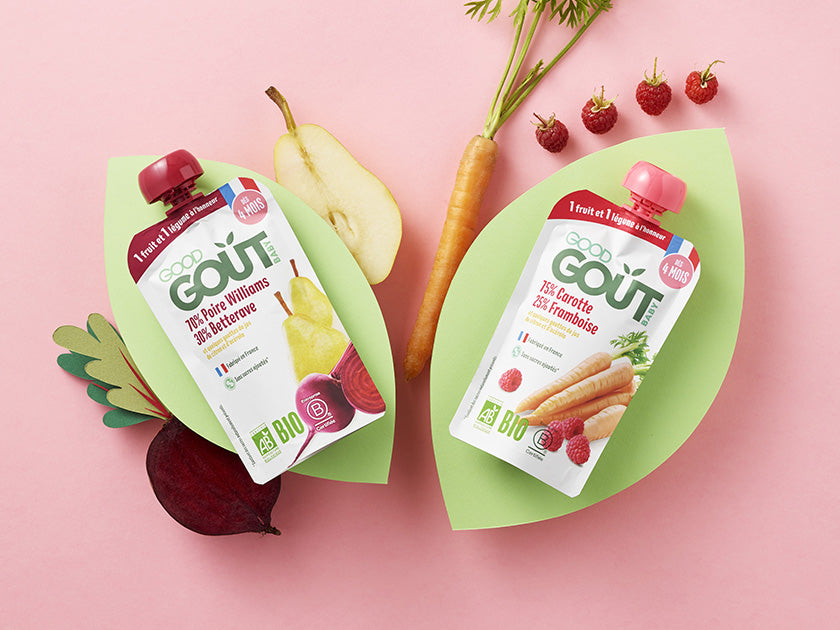
Why can refusing the bottle signal the start of weaning? Around four months of age, you begin introducing solid foods. Some babies no longer want milk and demand it. Most often, this is the case for babies with siblings. Pediatricians recommend the gradual introduction of vegetable purees and compotes from four months onwards. So, this is the perfect time to treat your baby. The bottle will still have its place, but your child can finally try new flavors.
The transition from breastfeeding to bottle-feeding
You chose to breastfeed your baby. This method of feeding is excellent for your child. They benefited from your antibodies and special moments of skin-to-skin contact. But now, for various reasons, you need to wean them. Sometimes the transition is straightforward, but other times it can be complicated. Take it slowly, alternating between breastfeeding and bottle-feeding. If it's difficult, ask someone else to give the bottle so your baby doesn't smell your own milk.
For a smooth transition, you can choose our Biostime powdered milks, designed to meet your child's needs (1)
Now it's your turn to share your tips
The #NewGenerationOrganic community loves hearing your stories. Are you also having trouble bottle-feeding? Is your baby being fussy and you don't know what to do to get them to eat peacefully? Share your experiences or doubts on our Instagram @biostimefr. Kindness among parents is essential. Your responses are always full of valuable insights: tell us your stories honestly!
(1) In accordance with current regulations